What We Carry Into the New Academic Year
There will never be a perfect time to write about preparing for a new academic year. The results cycle has already begun: IB results are out, A-level results arrived last week, and this week saw the release of the IGCSE results. Like many teachers, I have already started the familiar process of looking back before moving forward. Where results were excellent, there is much to celebrate. Where they were not what we hoped for, the questions begin:
What worked? What did not? What could I have done differently? What must I carry into the new year?
That reflection matters because education is, in Simon Sinek’s language, an infinite game. We do not teach simply to “win” one set of results. We play to keep playing. There will always be another learner entering our classroom whose confidence, ambitions, and sense of possibility may be shaped by our interactions, and we must prepare for that learner too. For me, that makes the summer reset less about starting again and more about becoming better.
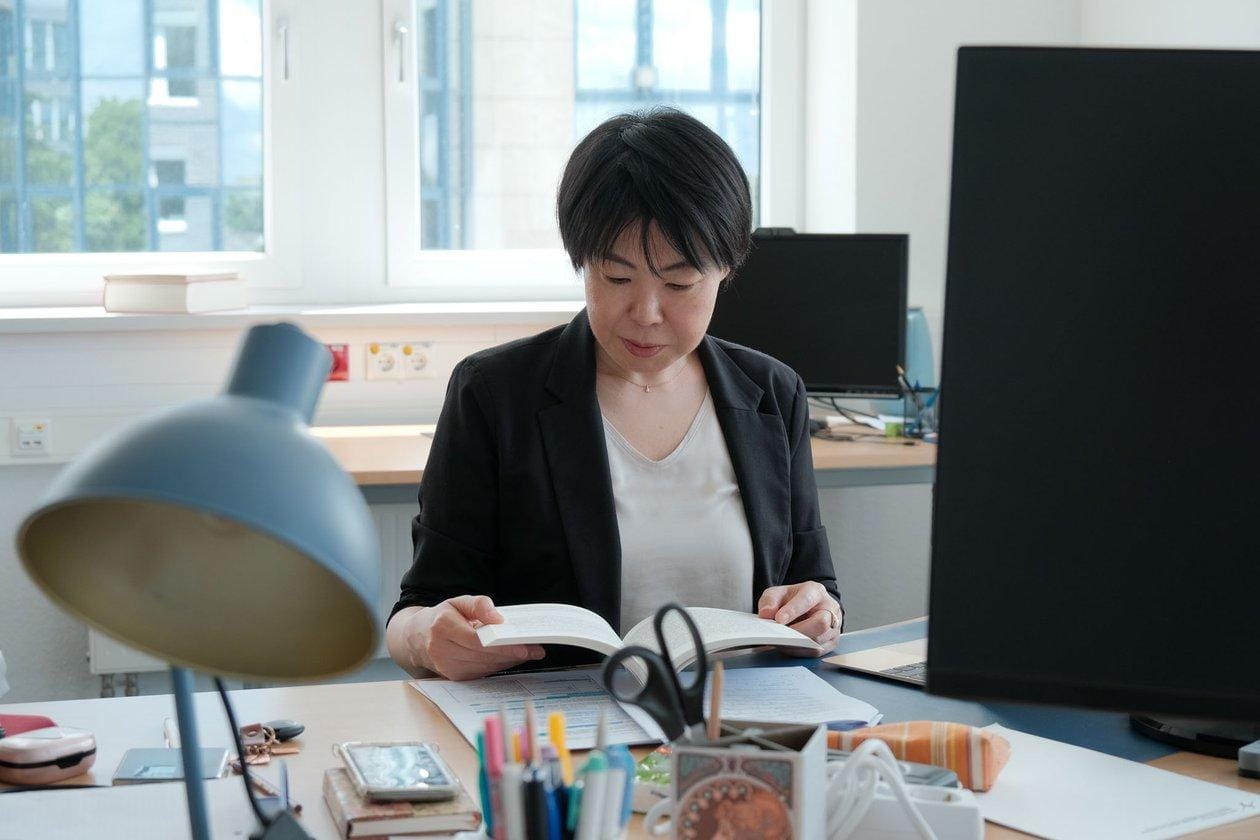
My professional goal this year is simple: know my impact. Over the summer, I set myself the task of reading—and reading widely. Simon Sinek’s Start With Why reminded me that strong practice begins with purpose, clearly set learning intentions, and success criteria. Why do I have to wake up every day to go to the classroom? John Hattie’s Visible Learning reinforced the importance of seeing learning through students' eyes and continually asking what difference our teaching is actually making. “Know thy impact” has stayed with me because improvement begins when we are willing to examine evidence, listen to learners, and adjust.
One habit I want to refresh is the way I build independent learning. I do not want homework or revision to become an exercise in completion. I want students to understand how to learn: how to retrieve knowledge, organise ideas, analyse errors, respond to feedback and choose strategies deliberately. The classroom I am redesigning is therefore less about furniture and more about routines. I want metacognition, reflection, and purposeful study habits to be visible parts of everyday learning.
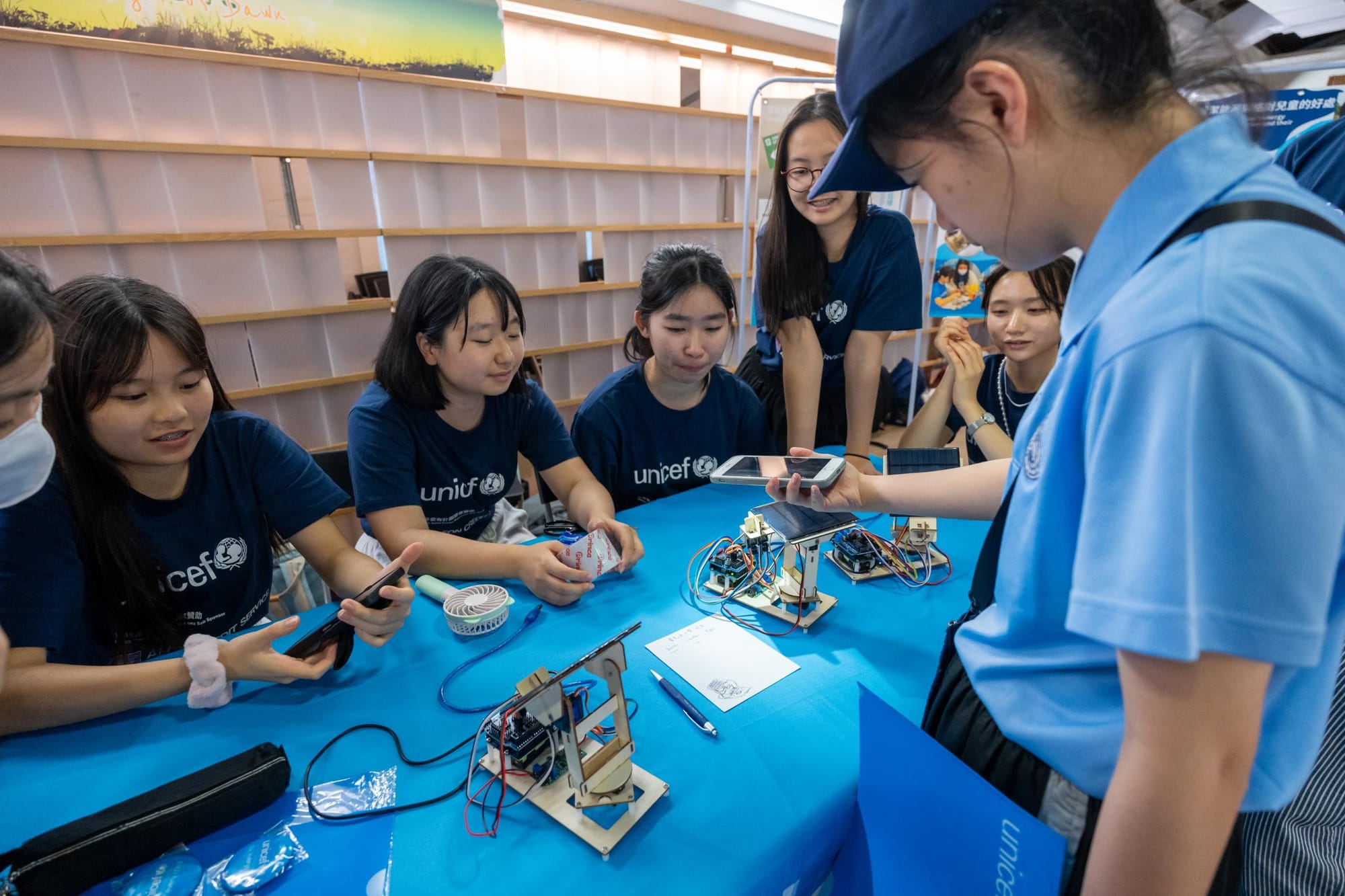
This week also reminds me why that matters. From Friday through Tuesday, I will be attending a Knights Nurturing Foundation event where students, inspired by the United Nations Sustainable Development Goals, will showcase business simulations and propose solutions for a more sustainable future.
These young people are thinking about problems they will inherit—and futures they will have to build.
As educators, part of our curriculum is preparation for that uncertain future. We may not know exactly what it will look like, and we may sometimes feel anxious about it ourselves, but uncertainty cannot become an excuse for under-preparation. We have to make our learners future-ready.
Two SDGs speak particularly strongly to my own educational purpose. SDG 4, Quality Education, reminds me that no learner should be denied meaningful learning; this is especially important considering my current setting of bilingual learners. SDG 10, Reduced Inequalities, reminds me that no learner should be denied belonging. Access without belonging is incomplete; belonging without learning is equally insufficient. Our classrooms must offer both.
“You are doing great, teaching. You can do it better. There is always space to be better—and that is one of the great privileges of being an educator.”
Mogunde Joseph Onyancha
Head of Humanities, PD Facilitator (Learning Enrichment Practitioner).
Vinaya St. Peter’s School, Haikou, China.