

Teaching in the age of AI
Eight years ago, when I first entered a classroom full of students, teeming with high energy, I was anxious and perspiring. I was a student myself just a month ago and now here I was ready to deliver an engaging lesson to a group of teenagers.
This class was full of curious learners who asked pointed questions and showed an eagerness to learn even the simplest topic of persuasive writing. Today, when I enter a classroom, my aim is still to evoke some wonderment in the learners, but I hardly get a nod from them or a smile, occasionally amazement on an exceptional day.
The process of teaching and learning has been evolving ever since the world witnessed COVID-19.
The educator is no longer the ‘sage on the stage’
Who the learners surround to have their answers.
The job has silently changed.
Now a student can have a perfect answer on their device even before I’ve found my own marking scheme. Teaching moved across rooms and screens. Running a Google Meet class means you can’t read a room by glancing at it, so you’ve had to design engagement deliberately.

One practice I’ve held onto over the years is ending each lesson with an intriguing English Literature fact—one that leaves the class in awe and builds anticipation for the next session. Ironically, things that I have let go are numerous.
I have managed to let go of the idea of being a ‘teacher who teaches’. I have become someone who enables learning by arming my learners with the resources and ideas to structure their own learning befitting their style.
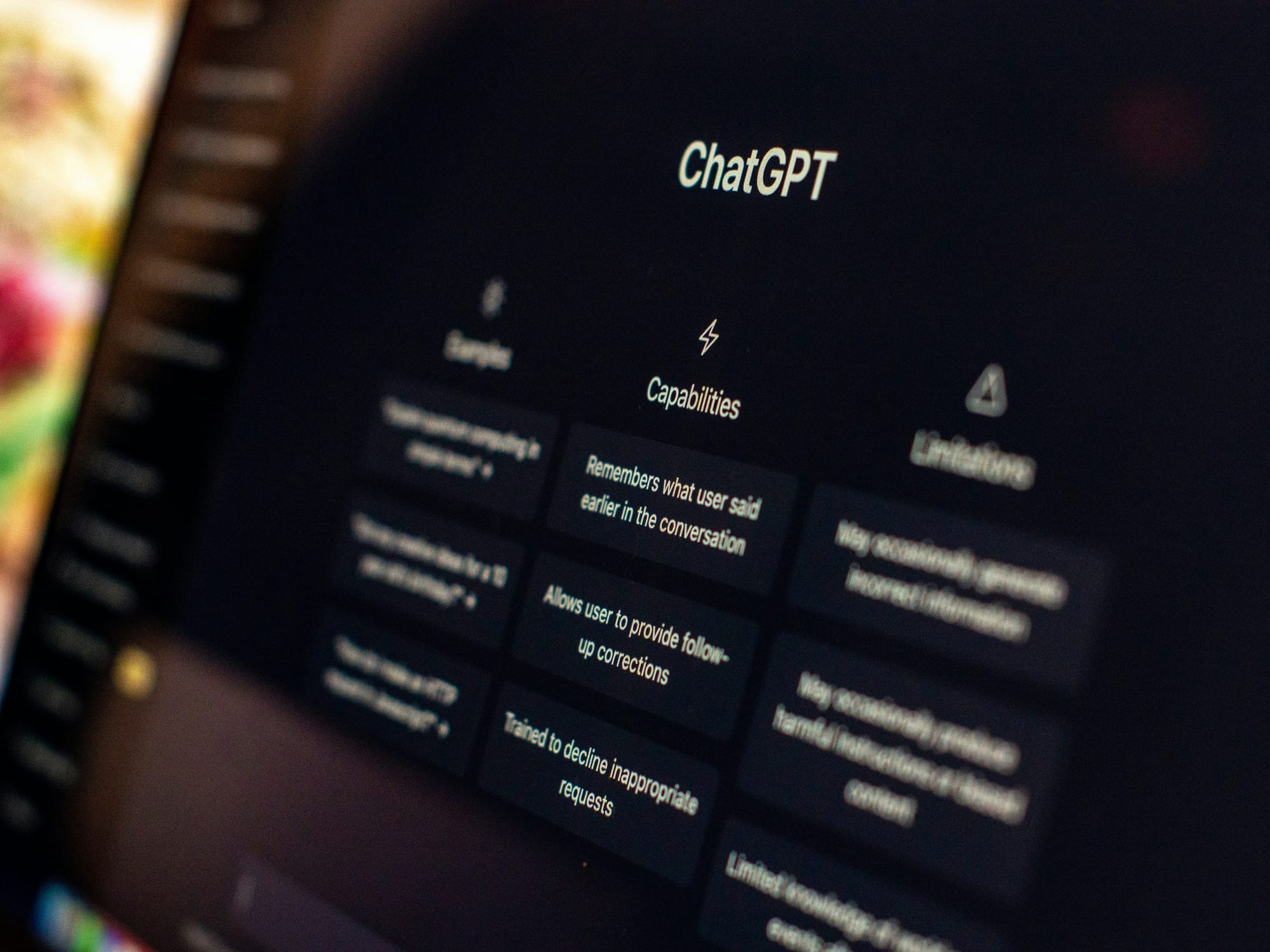
AI has been beneficial as well as a painstakingly problematic.
It helps facilitators improve teaching strategies and curating novel resources to guide various types of learners.
It pushes facilitators to design interesting and engaging lessons which caters to each type of learner. However, for learners it has created newer challenges.
21st-century learners are swarmed with assignments almost all due for submission on an auspicious day.
Learners critically question the teacher, comparing the AI marked response and teacher-marked response, making it tiresome for teachers constantly justifying their discretion against AI models.
Part of my role now is teaching them to tolerate ambiguity, and no template can do that.
From an educator, we have become curators, designers, life-coach, conscience-managers, constantly nudging the learners to fuel their curiosity, make informed judgements and maintain academic honesty altogether.