
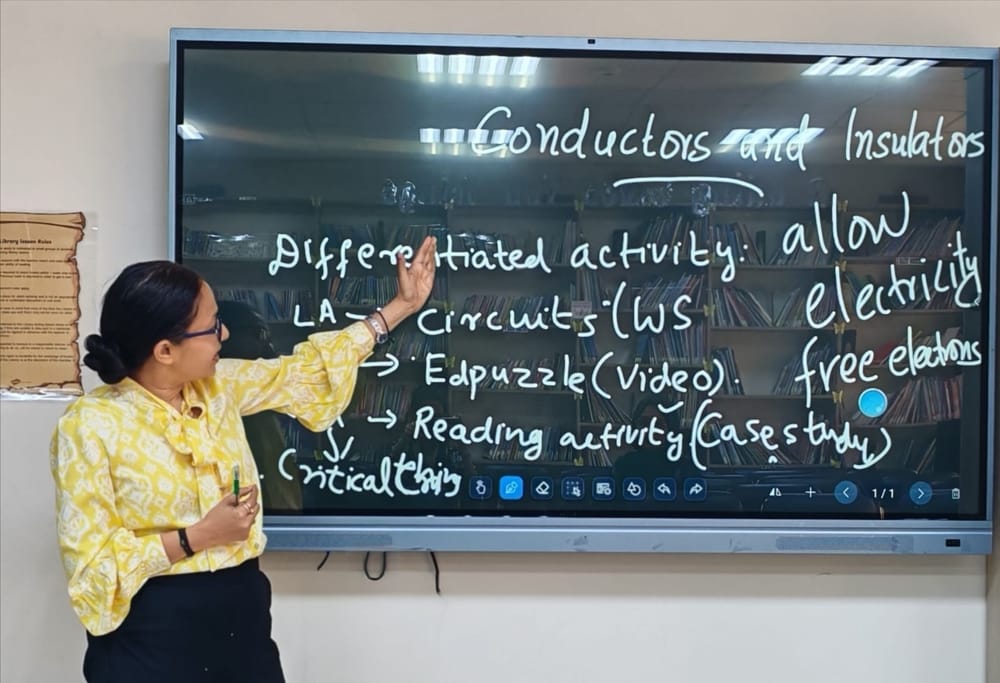
Reflective Practice: Turning Experience into Improvement
As a chemistry teacher, my most reliable tool is not the periodic table or a titration set—it is reflection.
Without reflection, teaching can become a routine of simply covering topics. With it, every lesson, misconception, and assessment result becomes valuable evidence for improvement.
One reflective habit that has had a significant impact on my teaching is keeping five-minute end-of-lesson notes. After each class, I record quick observations in my teaching journal and ask myself three simple questions:
- Did the analogy help students understand the concept?
- Where did students struggle—with the theory, calculations, or vocabulary?
- What will I change next time?
This habit helped me identify a pattern that might be overlooked. For instance, in my lesson, many students could define chemical equilibrium but struggled to explain why adding a reactant shifts the system. As a result, I now begin theory lessons with visual representations or real-world analogies, such as a crowded room reaching balance. Recording these reflections ensures that successful strategies become intentional and repeatable.
Another practice that has strengthened my teaching is peer observation. Chemistry teaching can sometimes feel isolating, particularly when balancing theoretical content with practical laboratory work. To address this, informal 15–20-minute observations with a colleague provide valuable insights.
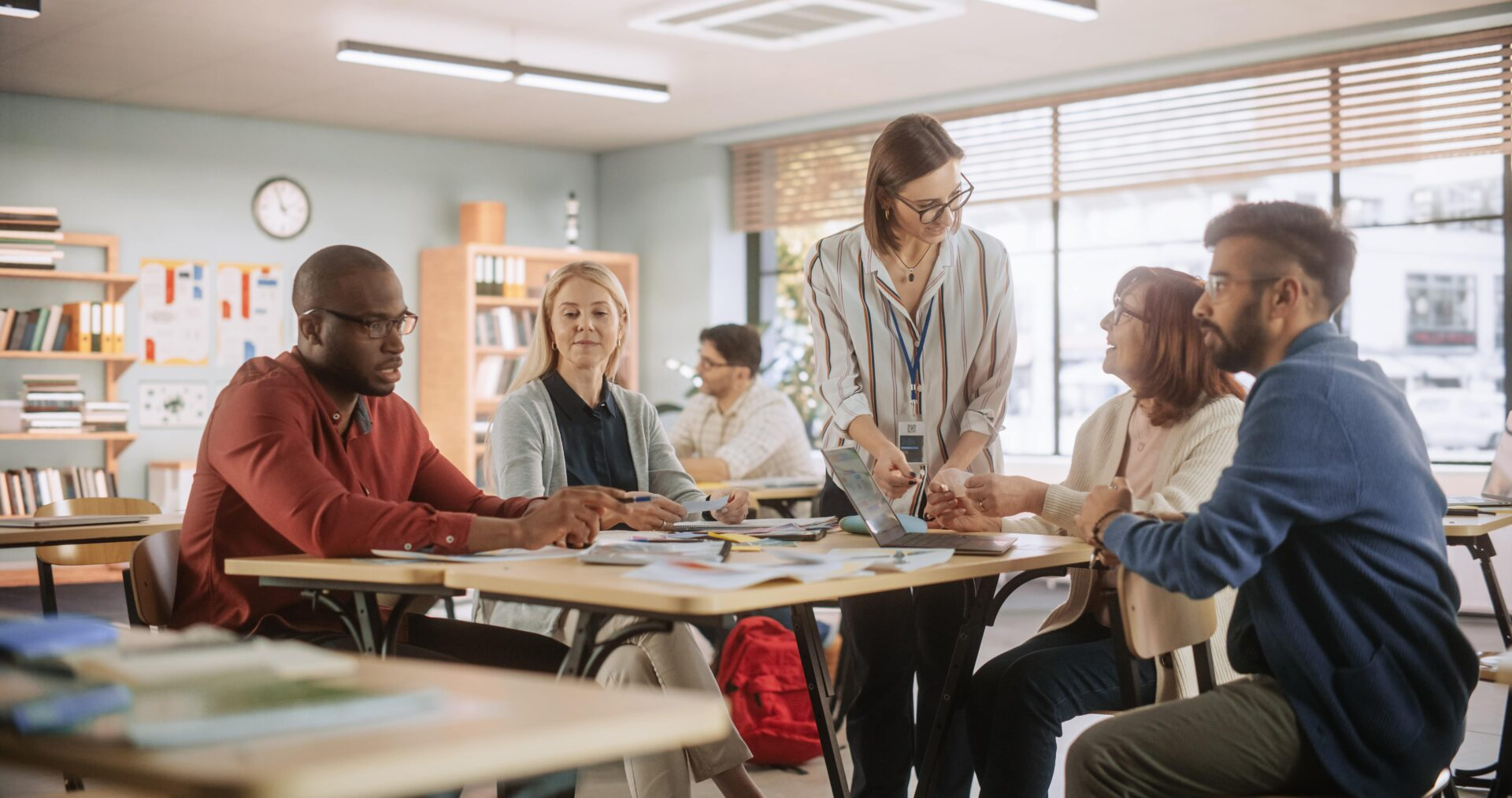
During one of these peer observations, I noticed that a colleague was solving stoichiometry problems too quickly on the board and skipping some of the reasoning steps. I suggested slowing the pace, asking guiding questions, using infographics, and providing additional scaffolding during calculations. As a result, students appeared more confident and engaged in problem-solving. These experiences reinforced the value of having a second set of eyes to identify blind spots that may go unnoticed while managing a classroom.
To fit within a busy schedule, I rely on five simple routines:
- Pause-and-Notice Moments: During independent or group work, I spend a few minutes observing student discussions and noting misconceptions, questions, or levels of engagement.
- Student Response Check: I review a sample of students’ written work, exit tickets, or verbal responses to identify patterns in understanding and misconceptions.
- Engagement Mapping: During the lesson, I make quick notes on which activities engaged the most students and which sections caused students to lose focus.
- Critical Incident Reflection: I record one significant classroom moment—positive or challenging—and reflect on what it reveals about student learning and my teaching approach.
- Weekly Teaching Journal Review: I spend 10–15 minutes reviewing my notes to identify recurring themes and make one targeted improvement for the following week.
I also encourage students to develop reflective habits of their own. At the start of a lesson, I often share one aspect of my teaching that I am working to improve, modelling the value of continuous learning and self-reflection. Students then spend a few minutes reflecting on their learning. During problem-solving activities, they explain a step in their reasoning to a partner, helping them articulate their thinking and identify gaps in understanding. I also integrate self-assessment and peer assessment into my lessons, encouraging students to take ownership of their learning and reflect on their progress.
Over time, these practices help students become more thoughtful, independent learners who actively reflect, evaluate, and refine their own understanding.
“Great teaching is not built on perfection but on experimentation. By turning experience into insight and insight into action, educators become lifelong learners of their own practice, continuously growing through reflection, adaptation, and improvement—one lesson at a time.”
— Poonam Bisht