
From Boring to Brainstorming: How I Turn Dry Topics Into Classroom Conversations
~ Ms. Kainat Rao
My teaching journey began with English, and it was naturally engaging. Literature gives plenty of room for creativity. Stories, metaphors, and characters make discussions lively, and students enjoy interpreting texts in their own ways. Later, I moved on to teaching Science and Environmental Management. Since I had completed my master’s in these subjects, I assumed teaching them would be easy. I started explaining concepts the way I understood them. The explanations were structured and academically accurate. But I soon realised something important.
Understanding a concept and teaching it effectively are not the same thing.
As topics became more complex, the classroom became quieter. Not the thoughtful silence of reflection, but the kind that signals boredom. Environmental Management especially, can feel like a dry subject when it is taught only through definitions and theory. This made me rethink my approach. I started using effective questioning. Instead of asking questions that required memorised answers, I asked students to take a stance and explain their reasoning. Sometimes I even disagreed with them on purpose to encourage deeper thinking. Suddenly, students were not just answering questions. They were defending their ideas and analysing different perspectives.

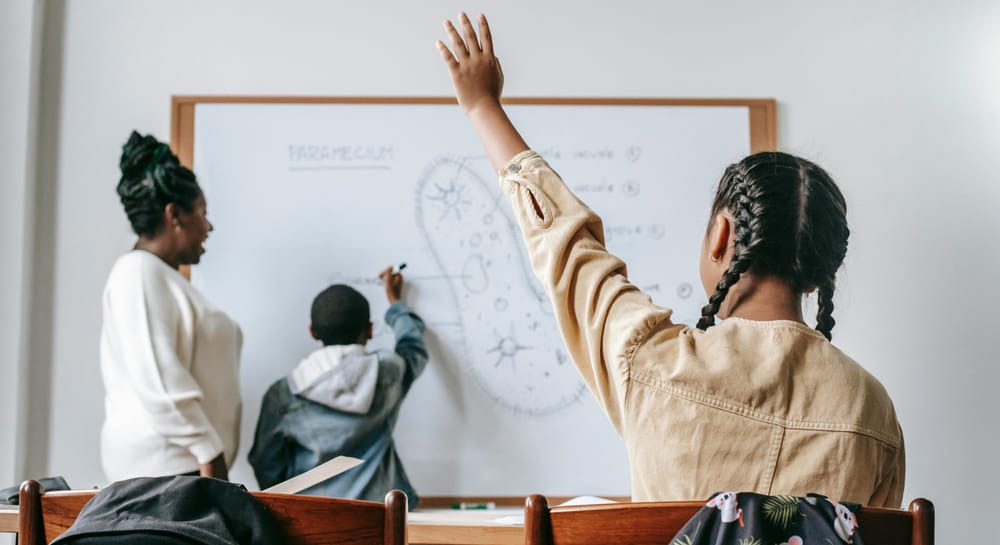
Visual aids also helped. Diagrams, images, and simple sketches made abstract environmental concepts easier to understand. I also began using local examples. Discussing issues like smog, waste burning, or water scarcity in our own country made the lessons feel relevant and real. During my Developing Reflective Practitioner course, I had another important realisation. Teaching is not only about delivering content. It is also about listening to students. I began informally asking them what helps them learn better. Many of them mentioned that small brain breaks during lessons help them refocus. Sometimes a quick joke or a light moment in class can reset the energy of the room. These small interactions also help build trust between the teacher and the students. According to Schön (2017), professionals improve their practice by reflecting on their actions and learning from experience.
Over time, I also noticed something interesting about Gen Z and Gen Alpha learners: They enjoy questioning ideas and proving their point. When given the opportunity, they participate actively in discussions and develop logical arguments.
Their learning is often driven by intrinsic motivation. Deci and Ryan (2013) explain that people feel more motivated when they experience autonomy, competence, and connection in their learning environment. When students feel heard and respected, their engagement naturally increases. One thing has become very clear to me. Complexity and boredom can be managed when students trust their teacher. When they feel comfortable asking questions, sharing opinions, and even disagreeing respectfully, learning becomes engaging even for difficult topics. Generations are evolving, and teaching methods must evolve with them. Whether it involves integrating technology, using kinesthetic activities, encouraging research, or creating interactive discussions, teaching cannot remain static.
As students continue to change, I believe teachers must grow as well. With time, I will keep adapting and refining my teaching so that even the most complex or seemingly boring topics can become meaningful learning experiences.
References Deci, E. L., & Ryan, R. M. (2013). Intrinsic motivation and self-determination in human behaviour. Springer Science & Business Media. Schön, D. A. (2017). The reflective practitioner: How professionals think in action. Routledge.